An intrusion prevention system is a tool used to protect network security, it can be hardware devices or software devices. Its functionality makes it a critical component of any enterprise or company's security system [1][2].

An intrusion prevention system is a tool used to protect network security, it can be hardware devices or software devices. Its functionality makes it a critical component of any enterprise or company's security system [1][2].
When the system is used, it can monitor and analyze the network traffic for malicious activities or other behaviors that violate the organization's security policies, and prevent them, such as reporting, blocking, or deleting malicious activities [1][3].
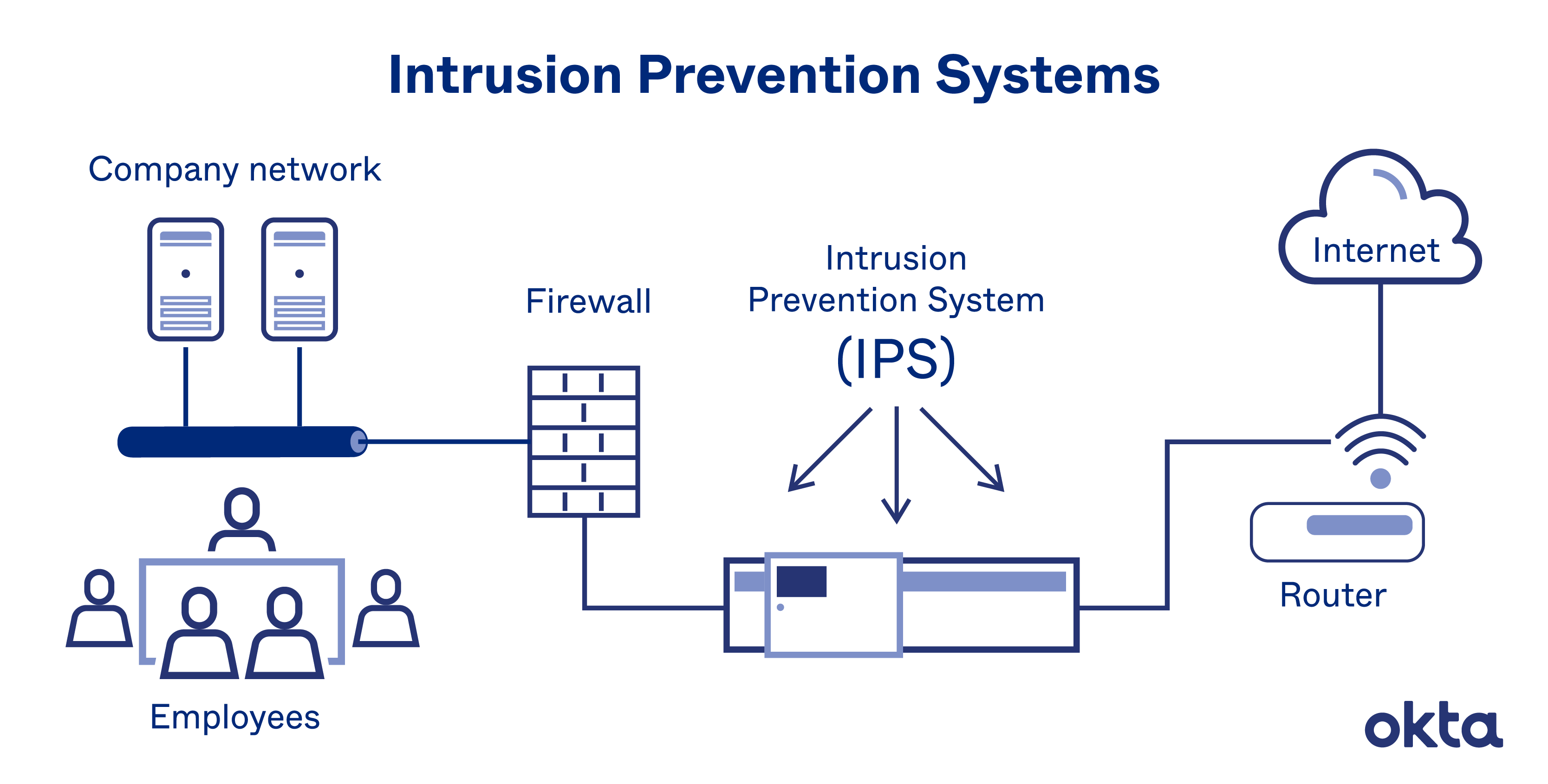
Intrusion prevention systems (IPS) have the following advantages:
Intrusion prevention system has stronger performance mainly because it is a passive defense system, when encountering malicious behavior, it will directly take the following measures [2]:
Intrusion prevention systems (IPS) are more versatile than intrusion detection systems (IDS), which are used only to detect malicious activity.
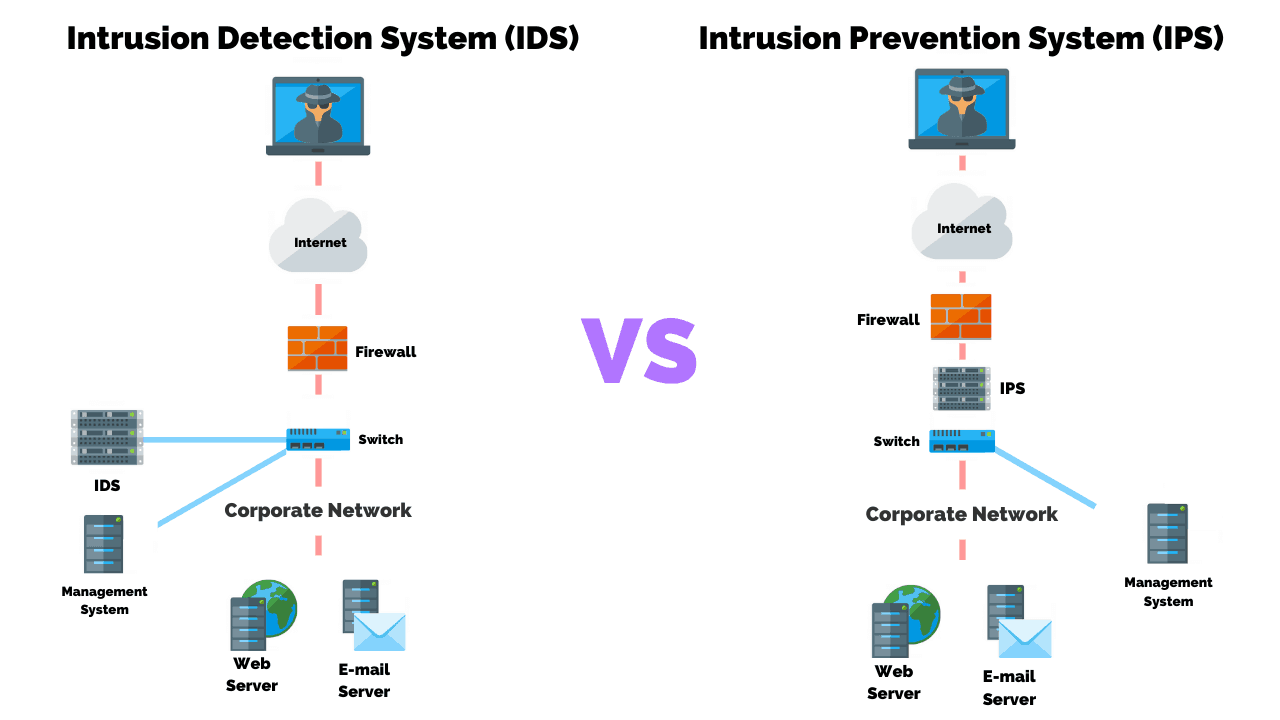
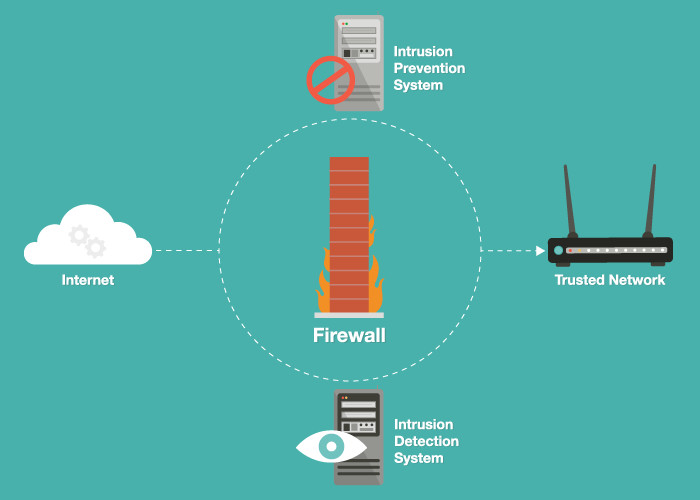
Even if an intrusion prevention system has powerful individual capabilities, it needs to be used with other technologies to achieve maximum efficiency. It typically provided as a feature of unified threat management or next-generation firewall solutions, sits behind and works with firewalls to provide an additional level of security and capture threats that the firewall cannot capture on its own [1].
[1]“What Is Intrusion Prevention System?: Vmware Glossary.” VMware, 4 Oct. 2022, https://www.vmware.com/topics/glossary/content/intrusion-prevention-system.html#:~:text=An%20intrusion%20prevention%20system%20(IPS,it%2C%20when%20it%20does%20occur.
[2]read, 3min. “What Is an Intrusion Prevention System?” Palo Alto Networks, https://www.paloaltonetworks.com/cyberpedia/what-is-an-intrusion-prevention-system-ips.
[3]Scarfone, Karen. “Enterprise Benefits of Network Intrusion Prevention Systems.” SearchSecurity, TechTarget, 20 Oct. 2015, https://www.techtarget.com/searchsecurity/feature/Enterprise-benefits-of-network-intrusion-prevention-systems.